What's in the box?

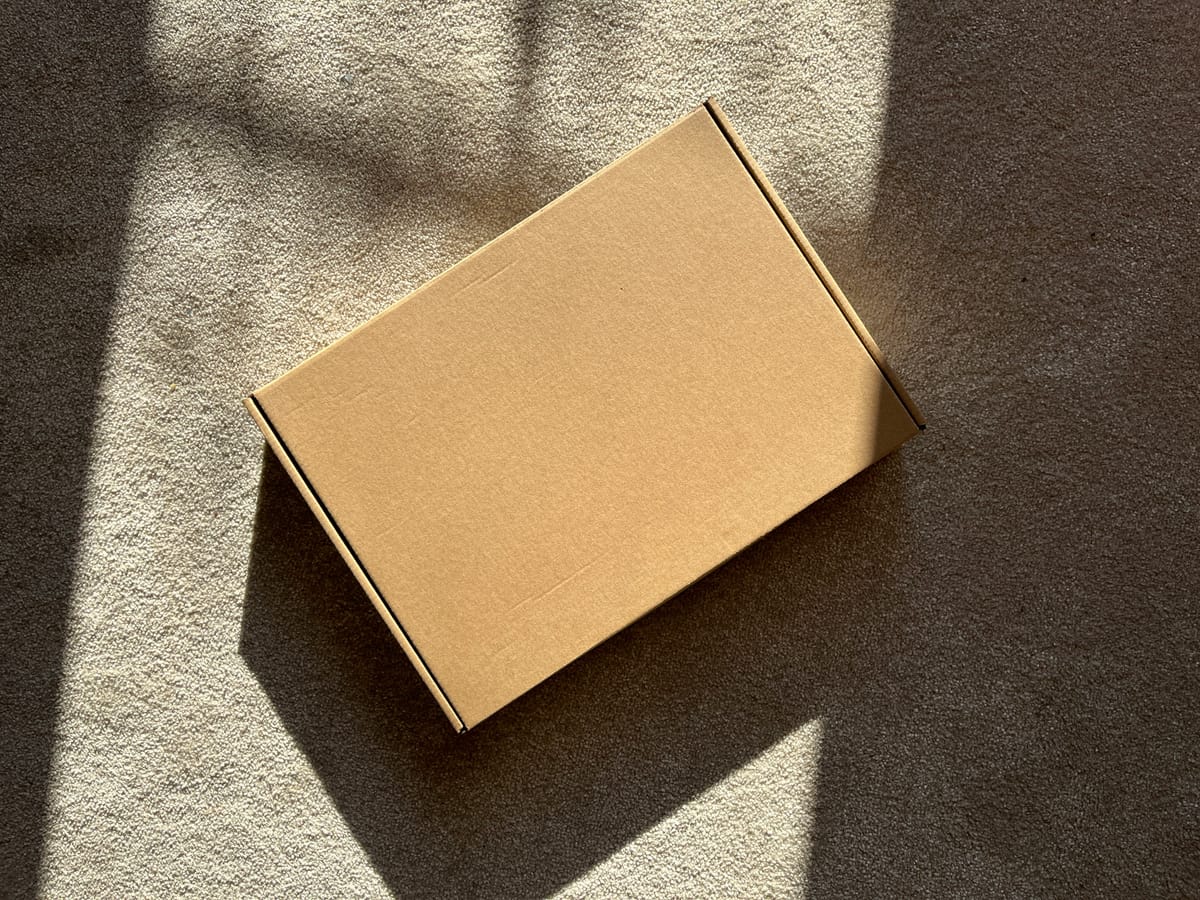
At a time when we are accustomed to buying digital products and products digitally, logistics is a reminder that we work and live in physical space.
Unlike video games, software, and psychology, other domains I work in, when I buy something, or when I am receiving an order, I am forced to bring abstraction down to earth. I interact with my environment in ways I do not otherwise.
At the core of this motion is the box.
We all know what a cardboard box is. But can you imagine the number of questions one can ask about it? The implications are significant.
What's more, the number of ways that a group of people can talk about something as straightforward and common as a cardboard box highlights the nature of roles and perspective.
A packing specialist, a warehouse manager, a packaging provider, a customer, a manufacturer, an analyst, a courier all require different information about the box and will ask different questions.
When we discuss boxes, are we talking about...
- The box on the product? Or the box on top of the box, that it ships in? Or maybe a box in that box in another box if you’re talking about a carton, or a pack on a pallet. Like nesting dolls.
- How do we store those boxes and cartons in the warehouse?
- How many boxes fit in that carton, on that pallet, in that container?
- Do we need a single-walled box, or a double-walled box? Why do we need to test the strength of the box?
- How do you close the box? And how long does that take? And what material do you use? Do you use tape? Is it clear adhesive or is it paper? Or do we need to use strapping? Why does it matter?
- Why is this box so expensive anyway? What is the price of cardboard these days? Do we charge people for the box? Do we hide the cost of the box?
- We didn’t pay enough for those boxes. So, now we have to reship in a different box.
- What do we do with the boxes that the boxes came in? How much does it cost to get rid of these boxes?
- When you talk about the measurements of the box, are you talking about inside or outside of the box?
- What’s the weight of what’s in that box? Why does this 5 pound box cost as much to ship as a 20 pound box?
- I’m reviewing this invoice and can’t we get cheaper boxes somewhere else?
- We can lower the price of the box if we get 1,000 boxes. But how big exactly is 1,000 boxes? Why does 1,000 boxes take up so much space?
- Do we use bags instead of boxes?
- If we ship in this box instead of that box, is it going to get damaged? How much air is in that box? Do we need extra material in the box?
- How many products fit in that box? At what point do we need a bigger box?
- Do we want for our box to be branded? What should the box say?
- How long does this box take to fold when we’re processing all of these orders?
- Hang on. We have like 10 types of boxes now. We need to audit the boxes.
I joke, but logistics folks often learn these lessons the hard and unglamorous way. There are entire product suites and companies built specifically around visualizing what fits in a box, how to calculate the cost of shipping a box, how to make a branded box, how to order many boxes. I have built some of them myself.
As a consumer, you only really notice a box when it's damaged, or calls attention to itself. Even in logistics work, where you'd think the focus would be the box, there are a million other things to think about. The box is often a forgotten variable. As invisible as it gets. But nothing works without it.
I enjoy logistics in a sometimes reluctant way. It is a matter-of-fact and humble reminder that we live and work in physical space, with physical constraints. Whether I like or not, notice it or not, this branch of my career demands that I remember that we live and work in a physical reality, and not purely a mental one.
-ss
Enjoyed this post? Learn about my work in logistics, games, software, and psychology over at theblobworks.com.